
Emotional Intelligence Executive Coaching with 5 Powerful Benefits
In today’s fast-paced, high-stakes leadership landscape, technical skill and strategic thinking are no longer enough. What separates good leaders from great ones those who lead with clarity, connection, and conscious impact is one essential quality: emotional intelligence.
And the fastest, most sustainable way to cultivate it? Emotional intelligence executive coaching.
If you’re a CEO, founder, or senior leader who wants to evolve from being just effective to deeply impactful, understanding the role emotional intelligence plays in leadership and how executive coaching supports its development could be your next breakthrough.

What Is Emotional Intelligence in Leadership?
Emotional intelligence (EQ) refers to the ability to understand, manage, and express one’s emotions and to perceive and influence the emotions of others. For leaders, it’s the foundation of effective communication, decision-making, conflict resolution, and team culture.
The five key pillars of EQ are:
- Self-awareness
- Self-regulation
- Motivation
- Empathy
- Social skills
While IQ might get you the job, EQ is what sustains your leadership impact, especially in uncertain, high-pressure, and human-centered environments.
Why Emotional Intelligence Is a Competitive Advantage
In a world where information is abundant and automation is accelerating, what cannot be automated is emotional intelligence. Founders and executives who can navigate complex interpersonal dynamics, stay calm under pressure, and inspire others with authenticity will lead the future.
Benefits of emotional intelligence executive coaching include:
- Improved self-awareness and reduced emotional reactivity
- Greater ability to inspire, influence, and retain top talent
- Stronger relationships across the organization
- Increased adaptability in high-stakes situations
- Better decision-making and long-term resilience
In short, EQ doesn’t just make you feel better it makes you a better leader.
The Leadership Cost of Low Emotional Intelligence
Without emotional intelligence, leaders often default to reactive, fear-based, or ego-driven behaviors even if they’re high performers. The signs may include:
- Micromanaging due to lack of trust
- Difficulty giving or receiving feedback
- Team burnout due to emotional disconnection
- Poor collaboration between departments
- Conflict avoidance or emotional volatility
- Decisions based solely on metrics, not meaning
These issues erode culture, create misalignment, and limit scalability. That’s why executive coaching focused on emotional intelligence is more than personal development it’s strategic infrastructure.

What Is Emotional Intelligence Executive Coaching?
Unlike traditional leadership coaching, which often emphasizes performance, productivity, or tactical execution, emotional intelligence executive coaching focuses on the inner landscape of the leader.
This includes:
- Understanding emotional triggers and patterns
- Developing presence and emotional resilience
- Enhancing empathy and relational intelligence
- Cultivating conscious communication
- Aligning leadership with values and identity
With the right coach, EQ becomes a lived leadership practice—not just a buzzword or assessment score.
Who Needs Emotional Intelligence Coaching?
Many assume emotional intelligence coaching is only for leaders who are struggling. In reality, it’s often the most successful, driven, and self-aware executives who benefit most because they’re ready to move from high performance to high alignment.
You may benefit from EQ coaching if:
- You want to be more grounded and less reactive under stress
- You’re navigating a leadership transition or identity shift
- You lead a diverse team and want to deepen connection
- You’ve hit a plateau and seek deeper purpose and clarity
- You want to model emotional intelligence to your organization
In other words, if you want to lead with more truth and less tension this is for you.
Unlock Words to Enliven the Soul
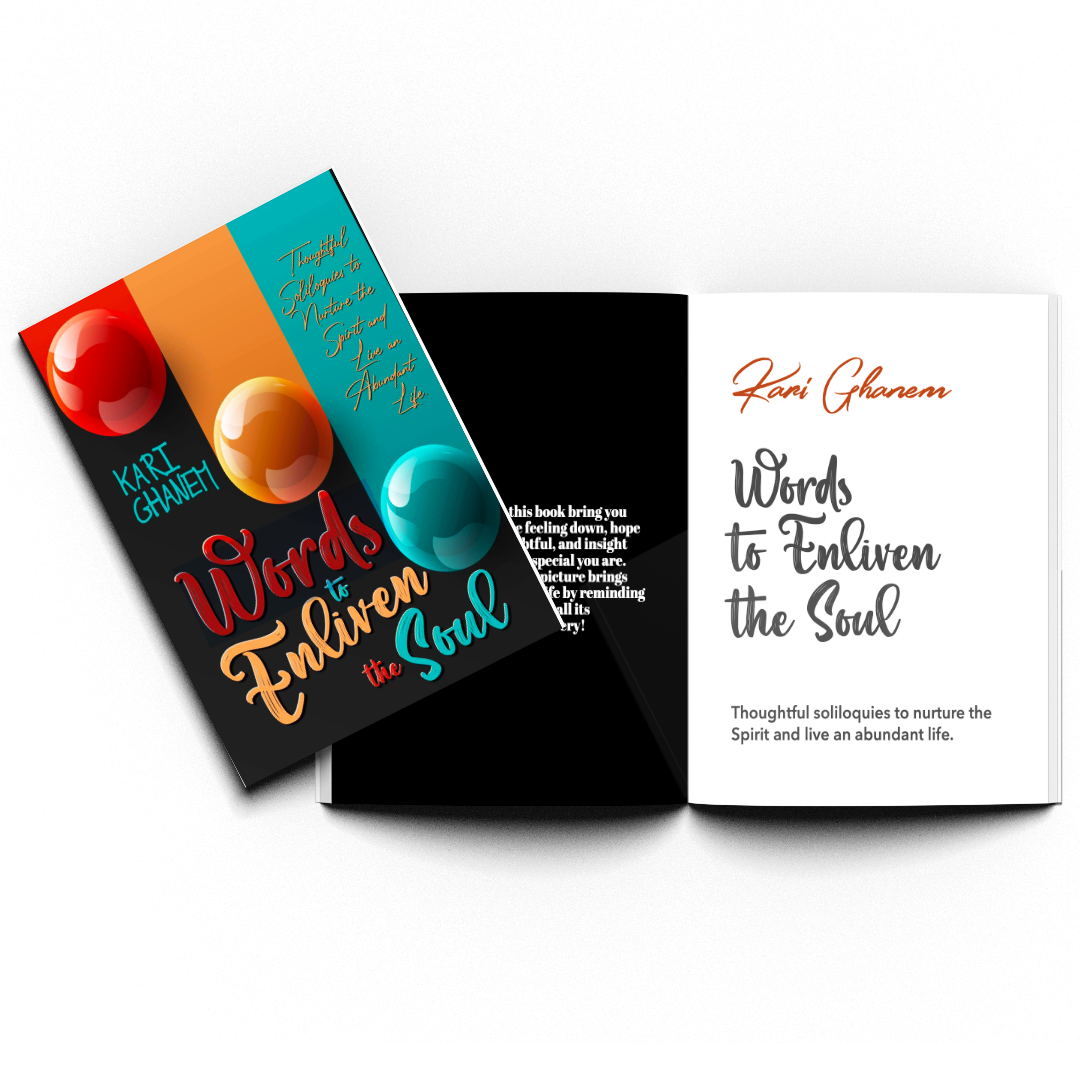
Access Kari’s inspiring book and discover powerful reflections, mindset shifts, and words crafted to energize your journey toward growth, purpose, and success.
Spiritual Awakenings Volume 3
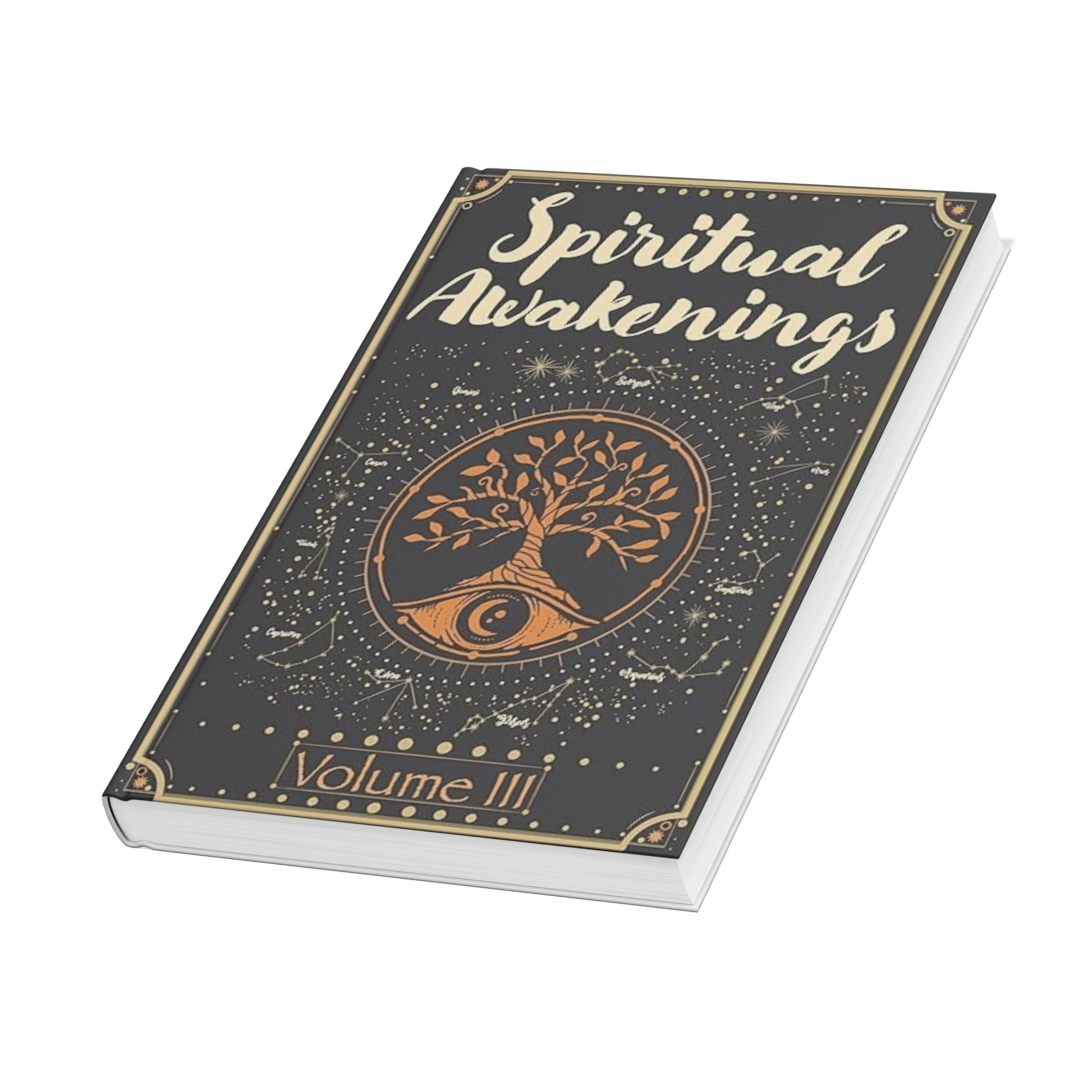
Awakening to the Power Within
Spiritual Awakenings Volume 3 invites you into a powerful new collection of personal stories that explore what it truly means to awaken.
5 Core Skills Developed Through Emotional Intelligence Executive Coaching
1. Self-Awareness
You’ll learn to observe your thoughts, emotions, and behavioral patterns without judgment. This unlocks choice, presence, and the ability to lead from response not reaction.
Practice:
Daily journaling, mindfulness, and regular emotional check-ins help develop deeper self-perception.
2. Emotional Regulation
You’ll gain tools to manage your nervous system, reduce reactivity, and stay grounded even in conflict or crisis. You’ll stop overidentifying with emotions and start navigating them with skill.
Practice:
Breathwork, body awareness, and reframing techniques can support emotional self-mastery.
3. Empathy and Relational Intelligence
You’ll learn how to truly hear others not just with your ears, but with presence. This creates safer, more collaborative environments and builds trust quickly.
Practice:
Active listening, curiosity-based questioning, and slowing down your response time are key empathy tools.
4. Authentic Communication
You’ll explore how to speak your truth with clarity and care especially when navigating hard conversations. This reduces friction and increases alignment across teams.
Practice:
Compassionate feedback frameworks, “I” statements, and vulnerable leadership modeling.
5. Aligned Decision-Making
You’ll make choices that are not only smart but aligned with your values, team culture, and long-term vision. EQ helps bridge data with discernment.
Practice:
Pause before action, gut-checks, and reflecting on impact beyond short-term wins.
What to Look for in an Emotional Intelligence Executive Coach
Not all coaches specialize in emotional intelligence. When choosing a coach, consider the following:
- Do they create a safe, nonjudgmental space for emotional exploration?
- Are they trained in both executive leadership and emotional development?
- Do they integrate somatic (body-based) awareness with mindset work?
- Can they mirror your blind spots with clarity and compassion?
- Do they model emotional intelligence in their own communication?
At Kari Ghanem Coaching, we blend high-performance strategy with emotional depth because sustainable leadership starts with inner clarity.
How EQ Coaching Elevates Organizational Culture
The ripple effect of emotionally intelligent leadership is profound. When senior leaders embody EQ, it transforms company culture from the top down.
Your team becomes:
- More collaborative and empowered
- Less afraid of feedback and more open to innovation
- Emotionally resilient in times of change
- Rooted in trust and shared purpose
In essence, emotional intelligence executive coaching isn’t just about you—it’s about the legacy you lead through others.
If you’re feeling called to lead with more presence, empathy, and clarity, emotional intelligence is the path and coaching is the structure that makes it real.
You’ve already proven what you can accomplish through drive and intellect. Now it’s time to embody what’s possible through depth, intuition, and emotional mastery. Emotional intelligence executive coaching is not a trend it’s a requirement for the next generation of conscious, impactful leadership.
FAQs: Emotional Intelligence Executive Coaching
A: Emotional intelligence executive coaching is a specialized form of coaching that helps leaders develop greater self-awareness, emotional regulation, empathy, and communication skills. It integrates mindset, behavior, and relational intelligence to help executives lead with authenticity, resilience, and impact.
A: Traditional executive coaching often focuses on performance, strategy, and productivity. Emotional intelligence coaching goes deeper—addressing how leaders relate to themselves and others. It emphasizes inner alignment, self-regulation, and empathy, which enhances culture, trust, and long-term influence.
A: Because leaders set the tone for the emotional culture of their teams. High emotional intelligence leads to better decision-making, stronger relationships, healthier communication, and greater team engagement. It helps leaders navigate pressure with clarity and lead through change with grounded presence.
A: Yes. Emotional intelligence is not a fixed trait—it’s a skillset that can be cultivated with awareness and practice. Through guided coaching, leaders learn to recognize emotional patterns, regulate reactivity, strengthen empathy, and communicate more effectively, even in high-stakes environments.
A: Any leader who wants to evolve beyond performance-based leadership and step into conscious, values-driven influence. It’s ideal for founders, CxOs, managers, and entrepreneurs navigating growth, change, identity shifts, or team challenges who want to lead with both strength and emotional clarity.
